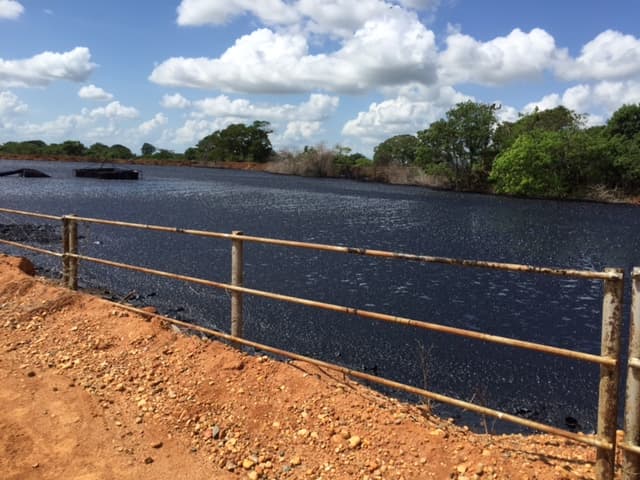
Decree 2635: requirements for oilfield waste management

Decree 2635 is the Venezuelan regulation that classifies and governs the management of hazardous waste and materials. For an oilfield operation, it defines which waste is hazardous, how it must be transported and which documents must support each movement through final disposal.
What waste does an oilfield operation generate?
The four most common groups handled in the field and their treatment:
- Water-based (WBM) or oil-based (OBM) drilling and completion mud and cuttings: vacuum extraction, transport and thermal or biological treatment
- Produced water and industrial drainage: high salinity, dissolved hydrocarbons and sometimes heavy metals; reinjection into authorized wells or physicochemical treatment
- Soils contaminated by crude oil, fuel or chemical spills: remediation through landfarming, biopiles or ex-situ treatment (COVENIN 3386:2003)
- Asphaltic sludge from frac tank bottoms, pipes and separators: heat-assisted fluidization, vacuum extraction and co-processing or industrial incineration
What the regulation requires at each step
Decree 2635, together with the Organic Environmental Law and applicable COVENIN standards, requires documentation of the entire chain:
- Field characterization of the waste: type, volume and hazards
- Classification as hazardous, non-hazardous or special waste
- Packaging and labeling in accordance with transport regulations
- Transport in sealed units with a waste manifest identifying origin, carrier and destination
- Delivery to a final disposal facility authorized by MPPEA
- A final disposal certificate issued by the receiving facility and delivered to the waste generator
Why compliance matters
Failure to comply with Decree 2635 can result in fines, operational closure and criminal liability for the waste generator as well as the carrier. The manifest and final disposal certificate document where every barrel of mud or sludge ended up; clients should require them for each operation and keep them on file.
Waste containing H2S and volatile fluids
Many oilfield wastes contain hydrogen sulfide or volatile gases. Handling them requires four-gas monitors, respirators with appropriate cartridges, units with certified grounding and confined-space procedures under PDVSA standards. These measures must be in place before the first truck arrives.
Frequently asked questions
Who is responsible for the waste: the generator or the carrier?
Both have obligations, but ultimate responsibility for the waste destination lies with the generator. The client must therefore retain the manifest and final disposal certificate.
Is produced water hazardous waste?
It depends on its composition. Salinity, dissolved hydrocarbons and possible heavy metals generally require physicochemical analysis and disposal at authorized injection wells or treatment plants.
How is highly solidified sludge handled?
It is preheated with steam or hot water to make it fluid before vacuum extraction, allowing more than 95% of its volume to be removed.