How crude oil is recovered from an oily pit
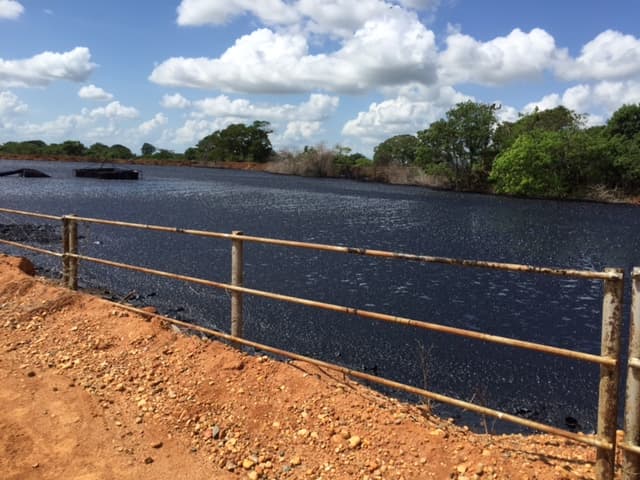
An oily pit is a pond of crude oil, water and sediment left over from previous operations. Over time, the hydrocarbons solidify and become impossible to pump, creating both an environmental liability and lost product. Thermal recovery addresses both problems.
Why crude oil in a pit cannot simply be pumped
Heavy and extra-heavy crude oil loses its lighter fractions over time and with sun exposure. What remains is a viscous mass of asphaltenes and paraffins mixed with water and sand, forming stable emulsions. A conventional pump cannot move it, and a vacuum unit only removes the more fluid layer. The material must first be conditioned for extraction.
The principle: controlled heat
Thermal recovery transfers heat to the crude oil mass in a controlled way. Steam is injected directly into the material through perforated lances. As temperature rises, viscosity falls sharply, oil-water-sand emulsions break down and the hydrocarbons flow again. The material can then be handled like regular heavy crude: suctioned, pumped and stored.
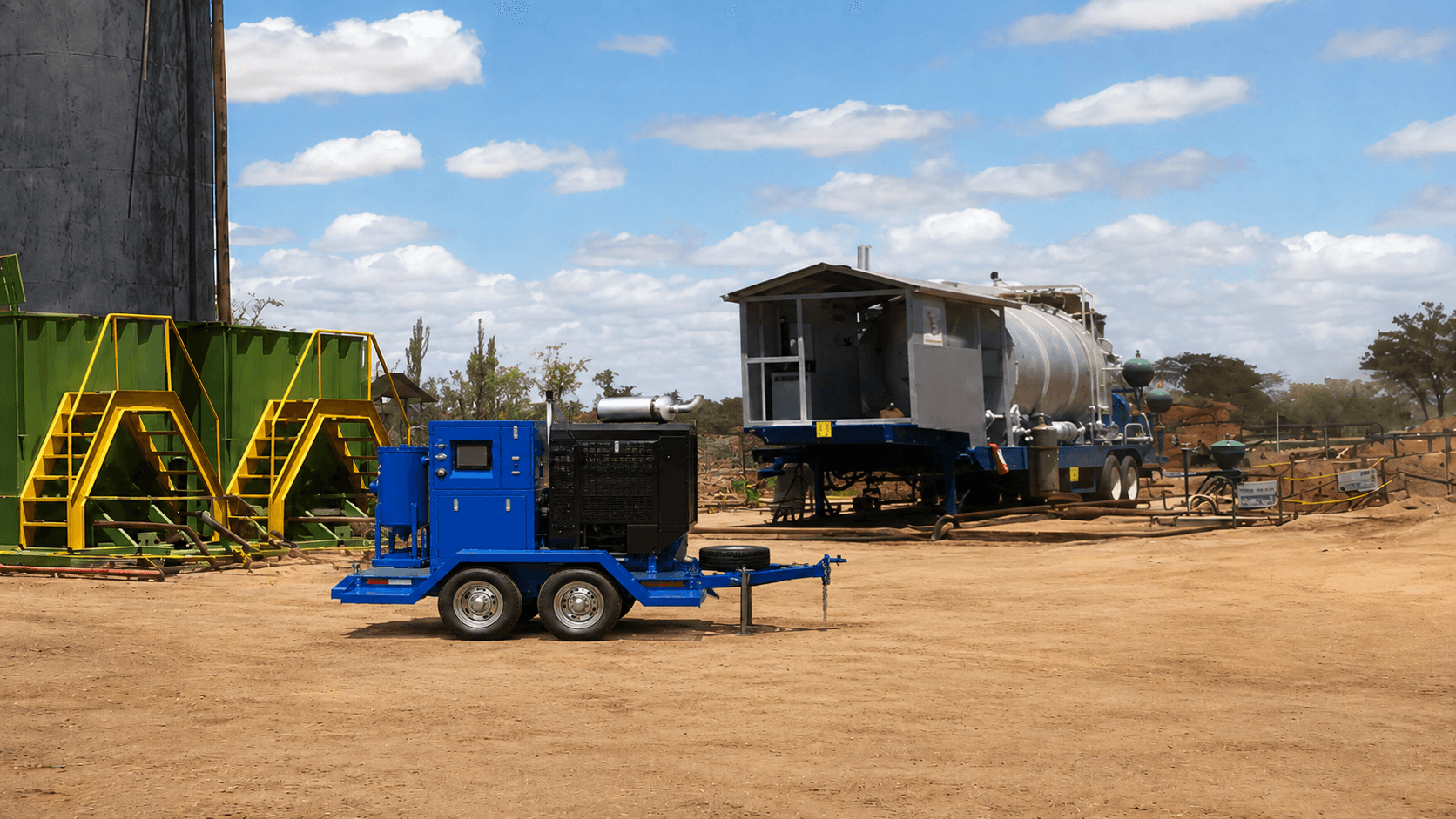
Heat is supplied by a fully automated OTSG steam generator with feedwater treatment (softening and deaeration) to protect the equipment during continuous operations.
The process, step by step
Every recovery project follows a documented procedure from assessment through oil delivery:
- Characterize the pit or tank: volume, viscosity, water content and sediment
- Install the steam generator and injection lance system
- Apply progressive thermal injection while monitoring temperature and fluidity
- Extract the fluidized crude using a screw pump or 160-barrel vacuum unit
- Store it temporarily in 500-barrel frac tanks and separate free water by settling
- Measure recovered volumes and report to the client
- Continue progressive remediation until the area is fully cleaned
How much is recovered and where it goes
Contracts completed in Zulia State fields have demonstrated a capacity of 1,500 barrels per day, although actual performance depends on the volume, viscosity and water content of each pit. Recovered oil returns to the production chain; free water goes to authorized injection wells or treatment plants, and unrecoverable sludge is managed under Decree 2635 with a manifest and final disposal certificate.
Environmental documentation
Recovering a pit also means completing its environmental records. The service includes mass balances before and after intervention and the reports required by MPPEA, enabling the operator to document remediation of the environmental liability.
Frequently asked questions
Does it also work for channels and tank bottoms?
Yes. The same principle applies to channels and drains containing accumulated oil, tank bottoms with solidified sludge, and areas affected by heavy crude spills.
How much crude oil can be recovered per day?
The demonstrated capacity is 1,500 barrels per day. Actual output depends on the pit characteristics identified during the initial assessment.
How does this differ from steam injection for tanks?
Steam injection for tanks keeps stored crude fluid during normal operations. Thermal recovery treats oil that has already solidified or remains in environmental liabilities, and includes extraction, storage, separation and documentation.